

When Clients Request Friendship: Ethical Boundaries and Clinical Responses for Therapists
Client requests for friendship can create ethical, clinical, and boundary challenges in therapy. Learn how therapists can respond professionally, protect the therapeutic relationship, and maintain ethical standards while preserving empathy and trust.
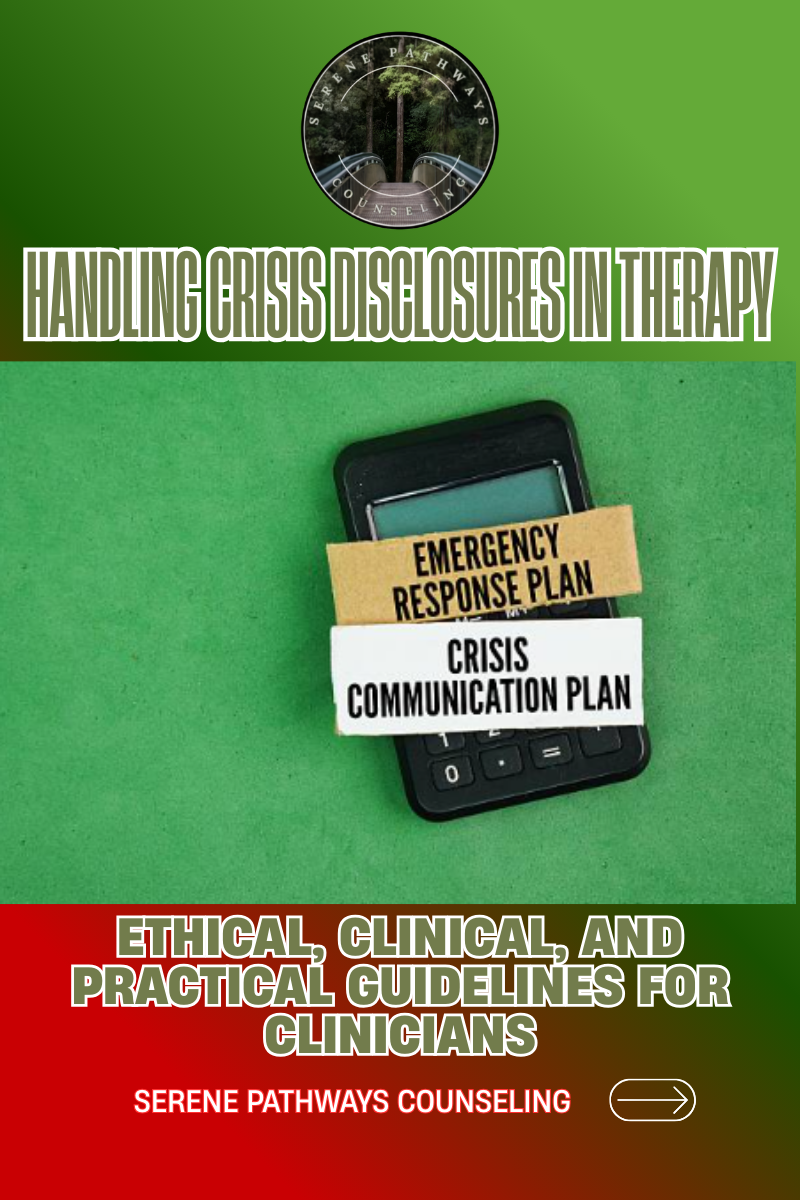
Handling Crisis Disclosures in Therapy: Ethical, Clinical, and Practical Guidelines for Clinicians
Learn how clinicians can effectively handle crisis disclosures in therapy sessions, including suicide risk, abuse reporting, safety planning, documentation, and maintaining therapeutic alliance.
Building Sustainable Caseloads: How Therapists Can Prevent Burnout While Maintaining Quality Care
Learn practical strategies for building a sustainable therapy caseload without burnout. This guide for clinicians explores boundaries, scheduling, and long-term practice sustainability.

Mindfulness for Racing Thoughts: How to Calm an Overactive Mind
Struggling with racing thoughts at night or during stressful moments? Learn mindfulness techniques to calm anxiety, slow mental overactivity, and regain emotional balance.
Informed Consent Best Practices: Beyond the Signature
Discover best practices for informed consent in therapy. Learn how to enhance ethical compliance, reduce liability risk, and strengthen client trust through clear documentation and communication.

Why Informed Consent Matters
Learn how to implement best practices for informed consent in therapy. Discover strategies to enhance client understanding, build trust, and maintain ethical and legal compliance.

The Importance of Sustainability in Caseload Management
Discover strategies to manage therapy caseloads sustainably. Learn to assess workload, set boundaries, prioritize clients, and prevent burnout while maintaining ethical and effective care.
Managing Confidentiality with Teen Clients: Ethical Considerations for Therapists
Therapists working with teens must balance confidentiality, parental rights, and safety concerns. This article explores ethical considerations, informed consent strategies, documentation practices, and risk management in adolescent therapy.

Ethics of Dual Relationships in Small Communities
Therapists practicing in small communities often face unavoidable dual relationships. This article explores ethical guidelines, documentation practices, consultation strategies, and risk management steps that protect client welfare and professional integrity.
When Documentation Becomes Defensive Instead of Clinical
Defensive documentation can increase risk instead of reducing it. Learn how to write clear, ethical clinical notes that support continuity of care and demonstrate professional judgment.

Ethical Burnout Is Not Personal Failure
Ethical burnout is often mistaken for personal weakness. Learn how chronic depletion signals systemic strain and why addressing burnout is essential to ethical, sustainable clinical practice.

When to Refer Out: A Clinical Decision, Not a Failure
Referral is an ethical and clinically sound decision, not a sign of inadequacy. This article explores how therapists can recognize referral indicators, navigate emotional barriers, communicate referrals with integrity, and support continuity of care while protecting scope of competence and client outcomes.

Clinical Uncertainty Is Not Incompetence
Clinical uncertainty is a natural and ethical part of therapeutic work. This article reframes doubt as professional humility, explores why clinicians equate uncertainty with failure, and explains how reflective practice and supervision strengthen ethical, sustainable care.

How to Pause a Treatment Plan Without Losing Client Trust
Revising or pausing a treatment plan does not mean failure. Learn how clinicians can reassess therapy ethically, communicate changes clearly, maintain the therapeutic alliance, document decisions appropriately, and determine when recalibration or referral best serves the client.

SOULFUL SUNDAY: Finding Quiet in a Loud Season: A Therapist’s Guide to Staying Present During the Holidays
The holiday season can heighten emotional demand for therapists. This clinician-focused blog explores how to stay grounded, emotionally present, and internally steady during a busy and emotionally charged time of year.

MENTOR MONDAY: Ethical Confidence in the Therapy Room: Trusting Your Clinical Judgment Without Overfunctioning
Many therapists struggle with self doubt, overpreparation, and overfunctioning in sessions. This clinician focused article explores how to build ethical confidence, trust clinical judgment, and maintain strong therapeutic boundaries without burnout.
SOULFUL SUNDAY: Restoring Depth in the Therapy Room: How Therapists Reconnect With Meaning When Work Feels Mechanical
When therapy begins to feel mechanical or routine, clinicians may lose a sense of meaning and presence. This in depth Soulful Sunday blog explores how therapists can restore depth, purpose, and emotional resonance in their work while maintaining ethical care and professional boundaries.
WELLGROUNDED WEDNESDAY: Holding Neutrality Without Detachment: How Therapists Stay Grounded and Emotionally Available
True clinical neutrality is not detachment. It is grounded presence. It is the ability to stay emotionally available without being pulled into reactivity, rescue, or overidentification. Wellgrounded Wednesday invites clinicians to explore how neutrality can coexist with warmth, attunement, and relational depth.

MENTOR MONDAY: Developing Clinical Confidence: Helping Therapists Trust Their Judgment Without Overfunctioning
Clinical confidence is not about having all the answers. It is about trusting your judgment, tolerating uncertainty, and resisting the urge to overfunction for clients. This in depth clinician blog explores how therapists can build confidence, reduce self doubt, and practice from a grounded, ethical, and sustainable place.

SOULFUL SUNDAY: The Therapist’s Inner World: How Personal Stillness Improves Therapeutic Presence
Discover how personal stillness enhances therapeutic presence, strengthens clinical intuition, and protects therapists from burnout. This Soulful Sunday post explores the powerful connection between inner quiet, attuned listening, and effective, grounded psychotherapy.